




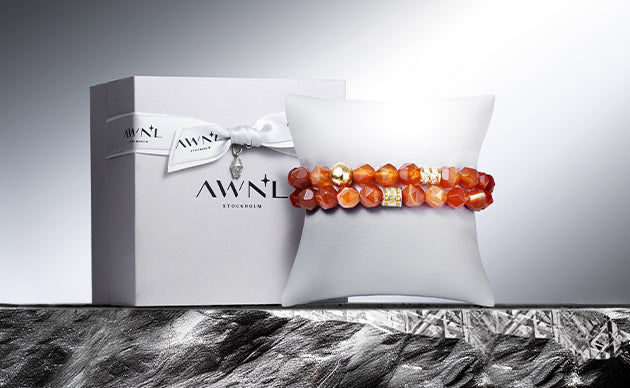
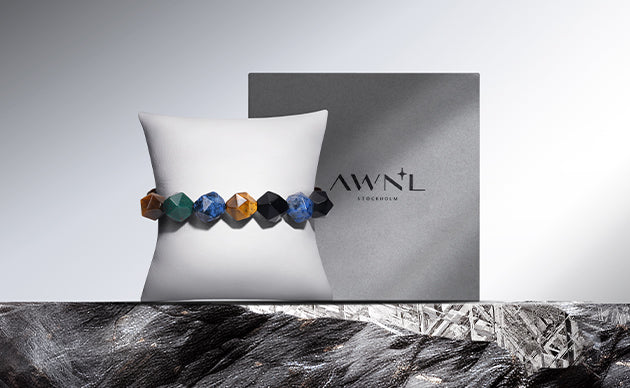


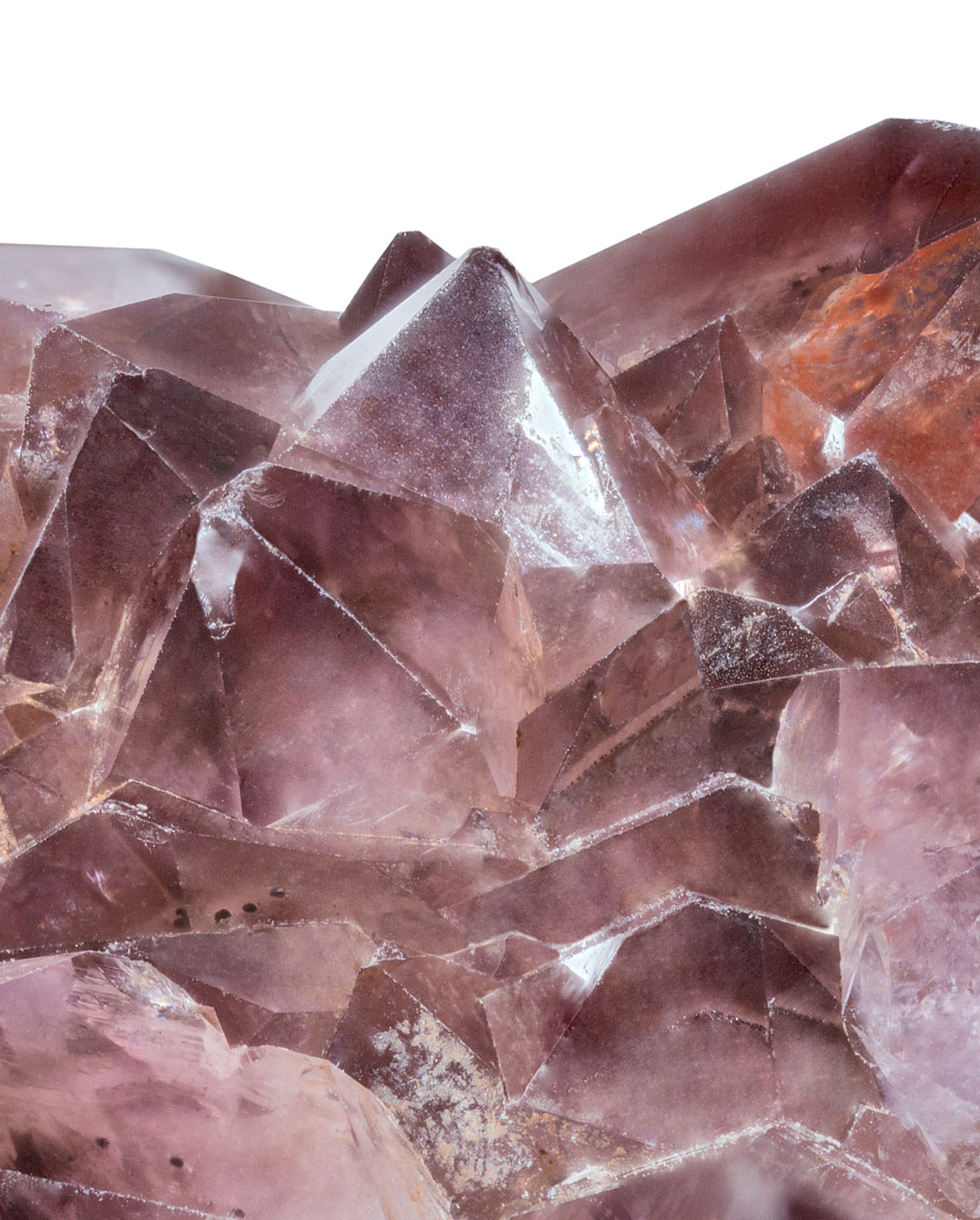
Citrine
Peated Whiskey | Prosperous - Energizing - Optimistic
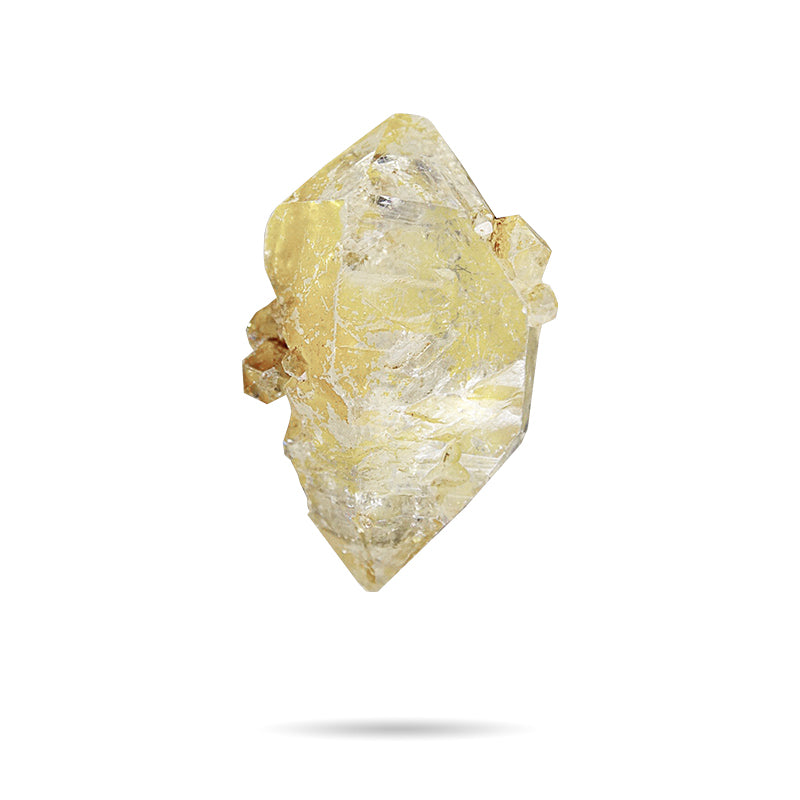
Citrine
Spiritual Strengths:
More Inspirations
Journey further into more collections


Recently viewed
Newsletter
Subscribe for early access to new collections and exclusive updates.


Your First Talisman Awaits
Citrine
Citrine
Journey further into more collections

Subscribe for early access to new collections and exclusive updates.